
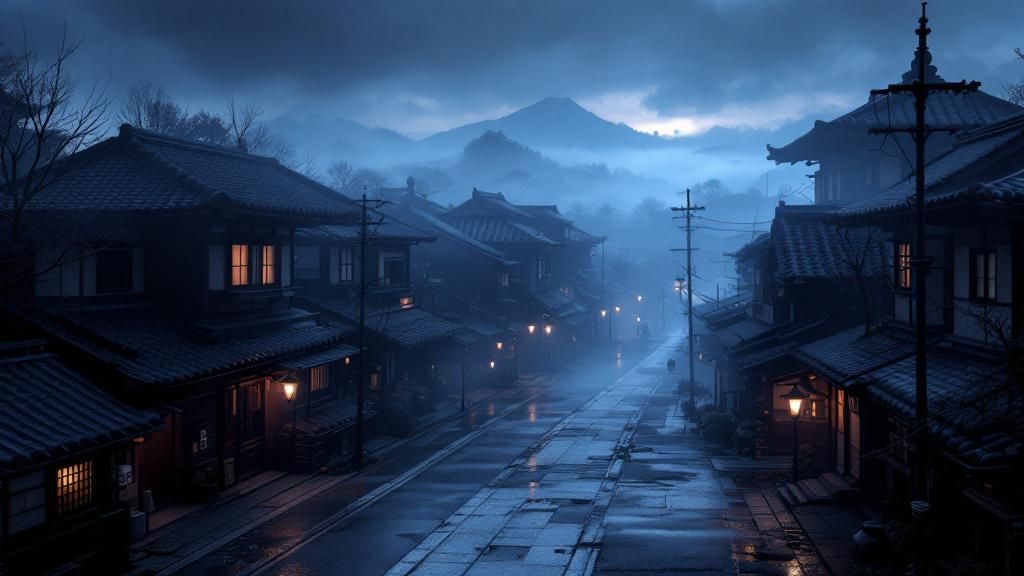
Team Ninja has executed an ambitious reimagining of one of the horror gaming most acclaimed titles, bringing Fatal Frame II: Crimson Butterfly for contemporary audiences with a full-scale remake that tackles the design and technical constraints of the 2003 original. Directors Hidehiko Nakajima and Makoto Shibata have directed a complete overhaul showcasing enhanced graphics, immersive sound design, and a rebuilt camera system created for contemporary players. The remake, currently available on Xbox Series X|S with a playable demo, represents the studio’s largest project in the long-running Japanese horror franchise in years. Discussing the project, the directors revealed how audience demand and the series’ enduring reputation prompted them to select Crimson Butterfly for this full-scale revival.
From Fond Memories to Essential Need: Why Crimson Butterfly Required a Reimagining
When Team Ninja started planning its next ventures, the Fatal Frame series inevitably emerged in discussions, but one title took centre stage in the conversation. Crimson Butterfly emerged as the most frequently requested game from players, a status that demonstrated both its iconic standing amongst series veterans and surprising name recognition amongst those who had not yet played it firsthand. This dual appeal—beloved by series veterans whilst remaining intriguingly mysterious to new players—made it the clear choice for a complete overhaul rather than a simple remaster.
Yet nostalgia alone would not have justified such an ambitious undertaking. The directors acknowledged that despite favourable response for recent remasters, the Fatal Frame series carried undeniable baggage: unwieldy, sluggish controls and game design conventions that felt distinctly dated to modern audiences. By fully reimagining Crimson Butterfly rather than merely polishing the original, Team Ninja could eliminate these dated perceptions entirely and craft an experience specifically designed for modern horror fans accustomed to far more sophisticated titles.
- Crimson Butterfly was the most commonly requested title amongst players.
- The game enjoyed considerable recognition even among players not familiar with the series.
- The original controls and game design were recognised as problematic and out of date.
- A full remake could resolve shortcomings that remasters could not overcome.
Rethinking Fear: The Creative and Technical Difficulties
Camera Techniques and Player Immersion
One of the most notable deviations in the original design involved the camera system itself. The 2003 version switched between fixed, third-person angles and first-person perspective when using the Camera Obscura, a mechanic that, whilst atmospheric, produced jarring transitions for modern players. The remake implements a unified third-person view throughout movement, eliminating these disorienting shifts and creating a more cohesive sense of presence within the haunted environments. This decision fundamentally reshapes how players experience the game world, encouraging greater immersion through consistency.
By sustaining a continuous third-person viewpoint, Team Ninja guarantees that players remain perpetually aware of their character’s physical presence and fragility within the nightmarish landscape. This approach aligns with contemporary horror gaming conventions, where environmental awareness and directional understanding become vital to psychological tension. The unfixed camera setup grants players greater control over their viewpoint, enabling them to investigate their surroundings more naturally whilst creating tension through what they discover rather than what the game arbitrarily reveals through static viewpoints.
Movement and Management Philosophy
Team Ninja’s broad expertise creating action games provided unexpected benefits when approaching a horror title. Rather than viewing horror and action as conflicting design philosophies, the directors acknowledged that fluid, responsive controls could enhance fear rather than diminish it. The remake implements updated movement mechanics that feel notably more fluid than the original’s cumbersome, unwieldy controls. This refinement allows players to traverse environments with increased assurance, paradoxically heightening tension by making their vulnerability more mentally acute when facing supernatural threats.
The partnership between Nakajima’s expertise in action design and Shibata’s vision for horror proved vital in maintaining this fine balance. They regularly consulted one another, guaranteeing that every mechanical adjustment served the overall horror design rather than simply streamlining gameplay for convenience’s sake. The result is a control system that honours player agency whilst upholding the oppressive atmosphere that characterised the original, demonstrating that modernisation does not need to undermine the psychological dread that made Crimson Butterfly renowned among horror fans worldwide.
- Unified third-person camera replaces disorienting viewpoint changes from the original.
- Responsive controls amplify psychological tension through improved player vulnerability awareness.
- Action expertise and horror vision combined to reconcile contemporary design with atmospheric dread.
Protecting Character While Embracing Current Graphics
One of the most challenging challenges facing the remake team was updating Fatal Frame II’s aesthetic design without undermining the eerie atmosphere that made the original so profoundly unsettling. The directors recognised that enhanced graphics could quickly shift the balance from mental dread into something more visibly disturbing, potentially diminishing the quiet unease that remains with players’ minds long after playing ends. Rather than merely using contemporary rendering techniques indiscriminately, Team Ninja carefully considered how improved visuals could enhance the horror experience. The remake’s enhanced graphics emphasise atmospheric detail—shadowy corridors depicted with greater depth, supernatural phenomena shown with haunting clarity—whilst maintaining the restraint that allows players’ imaginations to fill in the most frightening unknowns.
Shibata and Nakajima recognised that modern players expect contemporary visual fidelity, yet they remained committed to preserving the psychological core of the original. The upgraded graphics demonstrate narrative through environment design with remarkable subtlety, revealing unsettling elements through improved lighting and texture work rather than depending on shock value. This approach honours the sophistication of contemporary horror viewers who have encountered countless jump scares and disturbing visuals. By anchoring the graphical improvements in atmospheric authenticity rather than visual excess, the reimagining illustrates that cutting-edge graphics can amplify psychological dread when deployed with creative restraint and narrative intent.
| Original Element | Modern Approach |
|---|---|
| Low-resolution textures and limited lighting | High-fidelity textures with dynamic lighting that enhances atmospheric dread |
| Sparse environmental detail | Rich environmental storytelling through improved visual clarity and subtle disturbing details |
| Flat character models with minimal animation | Fluid character animations that convey psychological distress and vulnerability |
| Limited visual effects for supernatural phenomena | Sophisticated effects that suggest otherworldly presence without relying on shock tactics |
The richly detailed sound design supporting these visual upgrades proves just as vital to the remake’s effectiveness. Refined sound creates a cohesive sensory experience where environmental visuals and carefully crafted soundscapes operate in tandem, heightening psychological tension. This layered sensory strategy recognises that modern horror appreciation extends beyond what players see, requiring total environmental engagement that meets contemporary expectations for production quality.
Team Ninja’s Unexpected Foray into Japanese Supernatural Horror
Strengths Applied, Strengths Restrained
Team Ninja’s reputation is built on creating fast-paced, reactive action gameplay through titles like Ninja Gaiden and Dead or Alive. When working on Fatal Frame II, the studio faced a paradox: their deep knowledge in refined control systems and smooth fighting mechanics needed thoughtful implementation within a genre fundamentally built upon exposure and fear. Rather than imposing their characteristic action style entirely, the directors acknowledged that horror demands restraint, compelling players to experience vulnerability rather than strengthened by fighting ability.
Nakajima and his team consciously restrained their action-game instincts, understanding that the Camera Obscura—the player’s primary weapon—functions as a instrument for recording rather than dominance. By drawing on their technical expertise while carefully limiting its expression, Team Ninja created gameplay that adheres to horror principles. This measured approach demonstrates maturity in multi-genre creation, where technical abilities improve rather than overwhelm the source material’s psychological foundations and atmospheric integrity.
Lessons Learned from Horror Design
Developing a horror game presented unfamiliar difficulties for a studio deeply rooted in action design philosophy. The directors found that pacing, environmental psychology, and player agency necessitate fundamentally distinct considerations than combat-oriented experiences. Where action games reward mastery and reflexes, horror demands uncertainty and vulnerability. This fundamental change compelled Team Ninja to challenge conventions about player empowerment, discovering that successful horror often requires deliberately limiting player capabilities to intensify psychological tension and narrative impact.
The partnership between Shibata’s storytelling vision and Nakajima’s action focus proved invaluable for navigating this unfamiliar terrain. Rather than compartmentalising story and gameplay, the teams maintained constant dialogue, acknowledging that horror encounters stem from unified creative choices spanning every element. This unified methodology revealed that horror game design requires comprehensive consideration, where camera angles, sound design, animation subtlety, and storytelling rhythm work together to create emotional impact impossible to achieve through isolated departmental work.
- Horror expertise demands restraint instead of technical demonstration
- Psychological unease emerges from vulnerability, not player agency
- Cross-team cooperation remains crucial for atmospheric cohesion
- Modern horror audiences require thematic coherence above spectacle
A Introduction to Japanese Horror for Newcomers and Experienced Gamers
The remake’s strategic positioning bridges two separate groups: long-standing fans who cherish the original’s atmospheric terror and new players encountering the series for the first time. Directors Nakajima and Shibata acknowledged that Crimson Butterfly held a unique position within the franchise—beloved by dedicated fans yet possessing sufficient cultural prestige to attract players unfamiliar with the series altogether. This dual appeal proved instrumental in the decision to undertake a full remake rather than simply remaster the aging title, ensuring the investment would appeal to both demographics whilst positioning the franchise for modern horror audiences.
By refining the core gameplay and graphical style, Team Ninja has effectively removed the performance obstacles that previously intimidated newcomers. The original’s cumbersome controls and dated design elements, recognised in recent remasters, deterred players familiar with contemporary horror standards. The remake tackles these problematic areas without undermining the emotional core that made Crimson Butterfly legendary amongst Japanese horror devotees. This thoughtful evolution transforms the game into an accessible entry point, enabling fresh audiences to experience the narrative and atmospheric excellence that characterised the series, whilst providing veterans with a carefully reimagined interpretation of their cherished classic.
- Appeals to both franchise devotees and horror genre newcomers at the same time
- Removes gameplay obstacles that once hindered contemporary player participation
- Upholds psychological excellence whilst embracing contemporary design standards
