
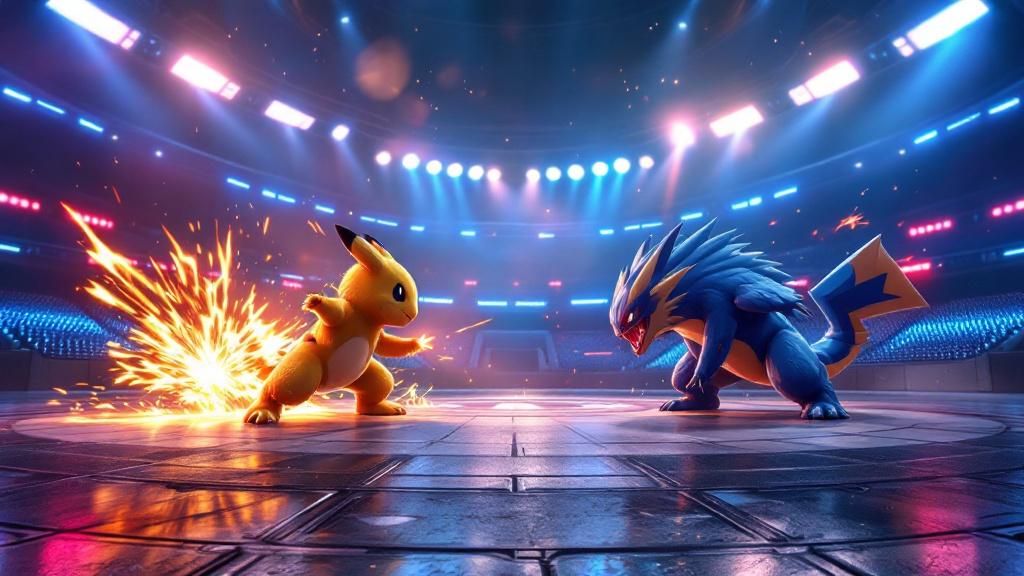
Pokémon Champions is planned for an open-ended future, with The Pokémon Company committing to sustaining the new battle game “basically forever”, according to game producer Masaaki Hoshino. Coming to 8th April 2026 as a free-to-start experience on Nintendo Switch, the title could eventually feature a vast array of Pokémon as the roster grows progressively. Hoshino has indicated the game could potentially accommodate anywhere from 2,000 to 10,000 Pokémon, based on the game’s popularity and player backing. The expansive plan mirrors the longevity of prior Pokémon franchises like Pokémon GO and Pokémon Unite, both of which have maintained engaged communities for years.
A Game Built To Last
The Pokémon Company’s commitment to Pokémon Champions stretches considerably past its original release. By framing it as a free-to-start experience, the company has taken away a key barrier to access, allowing any Switch owner to dive in without financial commitment. This accessibility strategy has proven successful for other established Pokémon games, creating a sustainable model that promotes continued player involvement and investment in the game’s future.
Hoshino’s vision of maintaining ongoing gameplay indefinitely highlights the industry’s move toward live-service gaming. Rather than positioning Pokémon Champions as a conventional one-time release with a predetermined end date, The Pokémon Company is developing systems created to support ongoing development. The forthcoming mobile launch towards the end of the year broadens the game’s audience, whilst the free Switch 2 update at launch demonstrates commitment to sustaining multi-platform compatibility as gaming hardware evolves.
- Free-to-start model eliminates access obstacles for players
- Mobile release planned to broaden platform availability
- Switch 2 release patch ensures new-generation support
- Roster growth could ultimately reach thousands of species
The Vision For Sustained Growth
Producer Hoshino Ambitious Goals
Masaaki Hoshino’s comments concerning Pokémon Champions’ upcoming direction represents an notably transparent commitment from a leading publisher. By stating the game will remain operational “for the foreseeable future, as long as the Pokémon series is continuing,” he’s created an standard of remarkable staying power. This is not just promotional language—it indicates a genuine strategic shift within The Pokémon Company towards supporting live-service games across decades rather than limited periods. The producer’s conviction indicates the development team is confident they’ve developed a structure able to maintain the franchise’s development without limit.
The prospect of ultimately accommodating between 2,000 and 10,000 Pokémon species showcases just how vast Hoshino’s vision really stands. Currently, the Pokédex database contains approximately 1,000 species, meaning the game might well double or decuple its roster throughout its lifespan. This massive expansion wouldn’t occur overnight; instead, it would develop via carefully paced updates and expansions. Such gradual roster expansion keeps the game remaining engaging for veteran players whilst preserving accessibility to new players, creating a lasting pattern of engagement that might realistically support the title for many years ahead.
The success of this bold undertaking will eventually rest on community response and ongoing funding from the player base. The Pokémon Company’s established experience with live-service titles like Pokémon GO and Pokémon Unite provides reasonable confidence in their ability to maintain engagement. However, retaining player engagement across extended periods requires more than backend systems—it demands captivating regular additions, significant mechanical improvements, and a genuine understanding of what sustains player motivation. If executed properly, Pokémon Champions could become the premier battling destination for a whole generation of trainers.
Launch Approach Plus Accessibility
| Platform | Details |
|---|---|
| Nintendo Switch | Launches 8th April 2026 as a free-start-experience via the eShop |
| Nintendo Switch 2 | Free game update available at launch |
| Mobile Devices | Release planned for later in 2026 |
| Monetisation Model | Free-to-play with paid elements; specific details to be revealed |
The Pokémon Company’s choice to release Pokémon Champions as a no-cost entry point represents a deliberate strategy to broaden access and user growth. By removing the initial barrier to entry on Nintendo Switch, the developer makes certain anyone with the hardware can download and begin playing without spending requirements. This strategy has demonstrated strong results for service-based games, as evidenced by Pokémon GO’s substantial surge and enduring appeal. The simultaneous launch on Switch 2 and planned mobile release further broadens the potential audience, making it a genuine multi-device game designed to accommodate trainers on whatever hardware they choose.
Reflecting On Previous Achievements
The Pokémon Company’s confidence in Pokémon Champions’ sustained success stems chiefly from established track record running thriving live-service games. Pokémon GO revolutionised mobile gaming when it debuted in 2016, and almost ten years later, it keeps on attract vast player numbers worldwide through consistent events, time-limited content, and meaningful gameplay updates. Similarly, Pokémon Unite has preserved an engaged community since its 2021 debut by consistently introducing additional Pokémon, balance adjustments, and ranked modes. These accomplishments show that the series has both the foundational framework and expertise necessary to keep players engaged across long timeframes, offering a solid foundation for Pokémon Champions’ development strategy.
The enduring appeal of these titles reveals crucial insights into what keeps trainers engaged over time: meaningful progression systems, community-driven events, and a steady stream of new material that respects the time players commit. The Pokémon Company has learned that merely launching a title is insufficient; long-term viability requires ongoing developer communication, responsive balance changes, and time-limited story content that encourage consistent participation. By applying these hard-won lessons to Pokémon Champions, the developer can utilise institutional knowledge accumulated across years of live-service management, substantially improving the likelihood that this latest competitive game will achieve the durability its creators envision.
- Pokémon GO continues to be profitable and active almost ten years after launch
- Pokémon Unite shows sustained player engagement via regular content updates
- Live-service experience provides a proven framework for sustained player retention
What Participants Should Anticipate
Pokémon Champions will release as a free-to-play experience on 8th April 2026, making it instantly available to anyone with a Nintendo Switch and an eShop account. This approach democratises entry into the game, removing cost obstacles that might otherwise prevent enthusiasts from experiencing the new battle system. The free-to-play model has shown strong results for The Pokémon Company’s previous releases, allowing the developer to build a substantial player base whilst generating revenue from optional cosmetics and convenience features rather than mandatory purchases. Players can expect a fully-featured competitive battle experience from day one, with the central gameplay structure designed to engage casual players and hardcore competitors in equal measure.
Beyond the Switch launch, the game will extend to mobile devices later in 2026, significantly expanding its reach and allowing trainers can engage with Pokémon Champions across their preferred platforms. A complimentary update will simultaneously arrive for Nintendo Switch 2 owners at launch, showcasing the developer’s commitment to supporting next-generation hardware from the outset. Whilst precise information regarding paid cosmetics and battle pass structures haven’t been revealed, the company’s track record suggests these revenue features will enhance rather than obstruct the core experience. This multi-platform, live-service approach establishes Pokémon Champions as an ambitious undertaking intended to capture and retain players across varied gaming platforms.
