
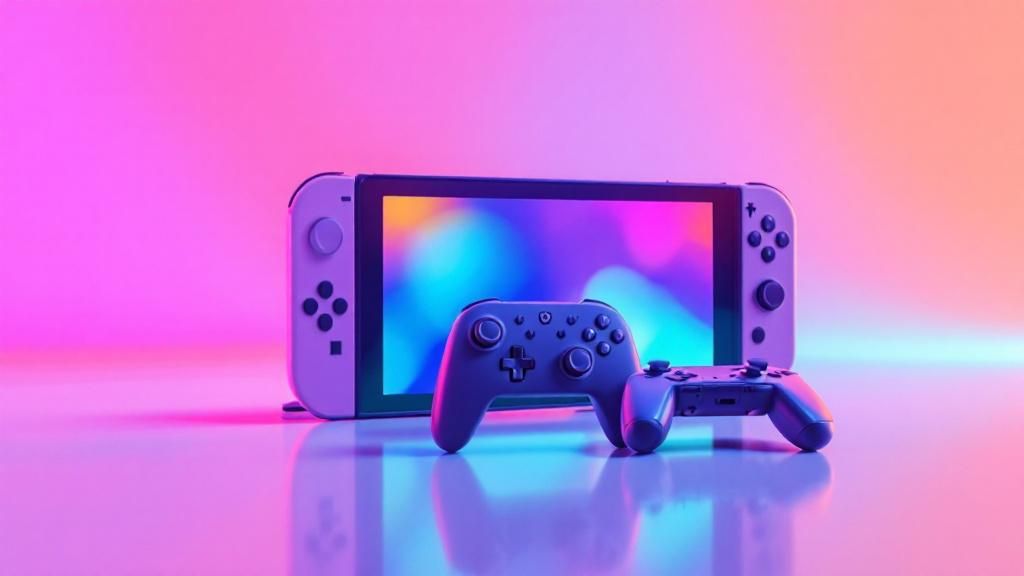
Nintendo has reinforced its standing as one of Japan’s most adored brands among teenagers, according to the most recent Brand Japan 2026 evaluation survey. The gaming giant’s Nintendo Switch console came in second overall in the choices of under-20s surveyed in December, trailing only YouTube, whilst the Nintendo brand itself secured third place. The results, which analysed responses from 37,000 Japanese teenagers across more than 1,000 brands, reveal that both Nintendo and its signature console significantly outrank cultural icons Pokémon and Disney amongst the younger age group. The survey results underscore the significant impact of Nintendo’s hardware and games in shaping entertainment preferences for Japanese youth, even as the wider Nintendo brand maintains strong appeal across all age groups.
The Research Results That Surprised Market Observers
The Brand Japan 2026 assessment study has produced some truly surprising rankings that question traditional beliefs about market leadership in Japan. Whilst YouTube’s top position comes as little surprise given its widespread availability among young people, the positioning of Nintendo Switch in runner-up position ahead of Nintendo itself demonstrates the distinctive attraction of the hardware over the company name. Most striking, however, is how thoroughly the Switch and Nintendo brand outperformed Pokémon and Disney—two globally recognised franchises with apparently unshakeable cultural positions. Pokémon managed only seventh position amongst young people in Japan, whilst Disney sat in tenth, indicating that gaming hardware and experiences hold more influence with this age group than traditional character-driven entertainment.
The difference becomes even more pronounced when reviewing the wider survey data across all age brackets. Nintendo’s general position of 12th place remains solid, but the Switch console falls sharply to 59th when considering the all Japanese residents, whilst Pokémon slumps to 201st. This marked disparity illustrates how Nintendo’s attraction is heavily concentrated amongst younger audiences, where gaming communities thrives. Disney’s 14th position across all demographics still surpasses its appeal to teenagers, suggesting the American entertainment conglomerate maintains stronger appeal amongst older age groups and family audiences. These results paint a complex picture of brand appeal that significantly challenges assumptions about which media franchises command the most impact over Japan’s youth.
- YouTube topped the under-20s ranking, securing the top position without competition.
- Nintendo Switch ranked second, ahead of the broader Nintendo brand in third position.
- Pokémon and Disney significantly underperformed expectations, ranking seventh and tenth in that order.
- The Switch’s appeal concentrates heavily on youth, dropping to 59th among the general population.
Why the Nintendo Switch dominates Youth Culture in Japan
Game Collection and Premium Exclusives
Nintendo’s commanding position amongst Japan’s youth cannot be separated from the Switch’s exceptional library of games. The console features an substantial range that appeals strongly to younger audiences, featuring titles that regularly feature among the most popular in Japan. Nintendo’s signature intellectual properties—including Mario, Zelda, and Animal Crossing—have cultivated devoted fanbases that span generations. The platform’s capacity to offer both high-profile games and innovative indie titles ensures every gamer can find every gaming preference, cementing the Switch’s position as the hardware of choice for Japan’s youth.
Beyond Nintendo’s core offerings, the Switch has become the go-to platform for global gaming phenomena. Whilst Minecraft and Fortnite hold sway in the charts, the console’s versatility in hosting these massive multiplayer experiences gives it additional cultural cachet. The wide range of games on offer—from competitive shooters to cosy life simulators—means the Switch appeals to a far wider demographic than conventional consoles might. This comprehensive approach to the games available has transformed the hardware from simple entertainment product into a cultural mainstay for young Japanese gamers.
User-Friendly Design and Social Attraction
The Switch’s dual nature substantially altered how young people in Japan engage with gaming. Its compact form allows gaming extends beyond bedrooms or arcades; it’s woven naturally into daily life, whether on trains, at school, or during social gatherings. This accessibility has democratised gaming in ways prior generations of consoles couldn’t achieve, making it the obvious option for a generation that prioritises adaptability and movement. The capacity to toggle between handheld and docked modes suits varied play situations, removing barriers that might otherwise restrict uptake amongst recreational users.
Social connectivity represents another crucial factor in the Switch’s appeal to Japanese youth. The console’s multiplayer capabilities, both local and online, support the kind of communal gaming experiences that appeal powerfully within Japanese culture. Features like Joy-Con sharing enable spontaneous group play without requiring multiple console purchases, whilst online functionality maintains connections between friends across distances. This emphasis on shared experiences rather than isolated gameplay has positioned the Switch not merely as entertainment hardware, but as a community enabler—a role that distinctly appeals far more powerfully with teenagers than traditional character-driven brands.
The Bigger Picture Throughout Different Age Groups
Whilst the Nintendo Switch’s dominance amongst teenagers is undeniable, the broader Brand Japan 2026 survey uncovers a markedly different landscape when analysing all age groups combined. The results demonstrate that generational preferences significantly influence brand loyalty across Japan’s demographic spectrum. YouTube maintains its strong runner-up ranking overall, though it surrenders the top spot to Suntory, the major brewing and distilling company. Retail giants Daiso and Muji secure strong placements in the leading five positions, reflecting the spending capacity and shopping habits of older demographics. Nintendo itself falls sharply to 12th place nationally, whilst the Switch declines to 59th—a dramatic fall that underscores how the console’s appeal is distinctly focused on younger audiences rather than representing universal appeal.
| Brand Rank | All Ages Position |
|---|---|
| YouTube | 2 |
| Nintendo Switch | 59 |
| Nintendo | 12 |
| Daiso | 3 |
| Muji | 5 |
| LINE | 31 |
| Pokémon | 201 |
| Saizeriya | 13 |
| Amazon | 18 |
| Disney | 14 |
| Suntory | 1 |
Pokémon’s catastrophic drop to 201st place across all age groups is particularly striking, suggesting the franchise’s appeal has become steadily concentrated within specific demographics rather than maintaining the widespread acknowledgement it once commanded. Disney’s 14th-place ranking, whilst creditable, still underperforms expectations for such a globally dominant entertainment titan. These variations highlight how Japanese teenagers represent a notably separate consumer cohort, with preferences shaped by digital natives’ values and contemporary gaming culture rather than conventional brand familiarity.
What This Means for Entertainment and Gaming Major Players
The survey results reveal a concerning landscape for some of the world’s most iconic entertainment brands. Pokémon’s declining popularity amongst young people in Japan—dropping from seventh place in the under-20 age group to a staggering 201st across all age groups—suggests the franchise’s cultural standing may be diminishing with younger audiences. Similarly, Disney’s disappointing performance demonstrates that even major worldwide entertainment companies find it difficult to maintain relevance with digitally-savvy Japanese youth. The contrast is pronounced: whilst these franchises once dominated children’s entertainment, they now find themselves outpaced by a gaming console and the broader Nintendo brand, signalling a significant change in how young people engage with entertainment.
Nintendo’s market approach has strongly connected with Japanese teenagers in ways that conventional broadcasters have been unable to match. The Switch’s ascendancy reflects wider market patterns, where interactive gaming experiences increasingly outpace passive entertainment consumption. This change in youth preferences has significant consequences for media producers and entertainment corporations worldwide. As gaming increasingly establishes its status as the leading form of entertainment for younger demographics, legacy brands must adapt their strategies or face continued decline. The data suggests that genuine connection, interactive elements, and online-focused strategies matter considerably more to today’s teenagers than established brand heritage or global prestige.
- Nintendo Switch commands youth preferences through engaging, accessible gaming experiences
- Traditional entertainment franchises face challenges competing in the digital-native era
- Generational preferences continue to shape brand success and market position
