
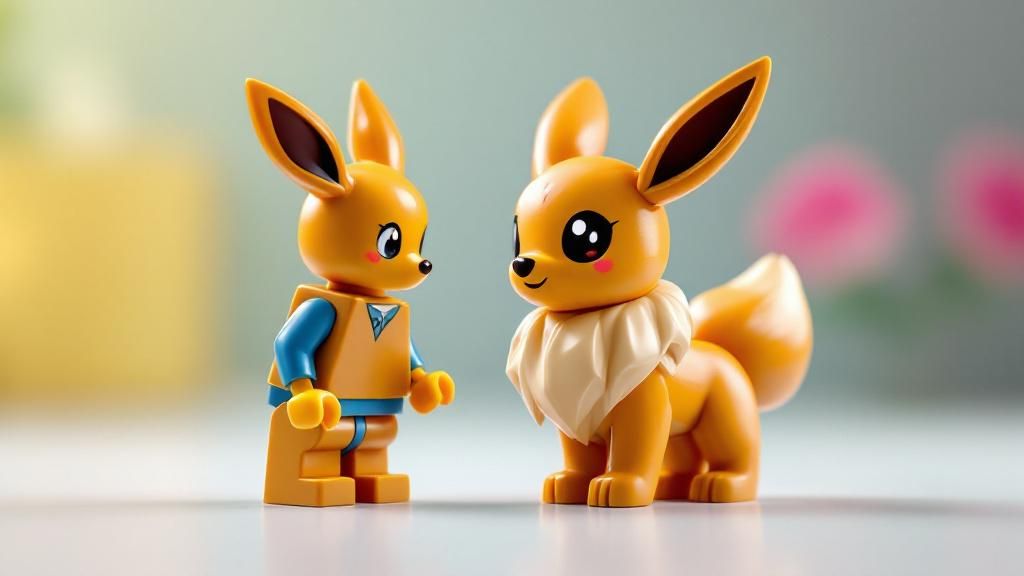
Lego enthusiasts and Pokémon enthusiasts may soon have reason to rejoice, as a leaked set has suggested that a minifigure-sized rendition of Eevee is coming to shelves in August. The charming character is said to appear in an elaborate Poké Ball diorama set, which is rumoured to retail for approximately £195 (approximately $260) and comprise 2,239 pieces. The discovery arrives just months after Lego officially launched its Pokémon construction line in February, which already included a larger-scale Eevee model. If the information proves accurate, this compact pre-formed version would mark a significant expansion of the collection, providing enthusiasts a more compact option over the existing range.
The Data Breach: What We Know So Far
The leaked images surfaced on the Lego rumours and news subreddit, where keen collectors identified what seems to be a pre-formed Pokémon figure distinctly smaller than the large-scale Eevee launched earlier this year. The watermarked images suggest this minifigure-sized version constitutes a significant shift from Lego’s earlier strategy to the Pokémon line, possibly creating doors to a entirely new category of collectibles. Whilst rumours should always be viewed with a level of caution, the specificity of the details—including the price point and piece count—provides considerable credibility to the rumour.
The rumoured set is expected to launch in August 2024, making it one of the earliest significant releases since the Pokémon Lego partnership kicked off in February. This release window suggests Lego is looking to capitalise on the impetus established through the original range, which proved popular amongst both construction enthusiasts and dedicated fans. The substantial price tag and number of pieces indicate this will be a premium offering, likely aimed at dedicated enthusiasts rather than occasional purchasers looking for a fast Pokémon solution.
- Leaked images show minifigure-scale Eevee pre-formed component
- Expected August 2024 release date for the diorama set
- Rumoured selling price around £195 with 2,239 pieces
- Follows Lego’s early 2024 Pokémon product launch success
A Substantial Evolution in Pokémon Lego Development
The launch of minifigure-scale Pokémon represents a notable change from Lego’s initial strategy with the franchise. Since releasing in February, the Pokémon line has concentrated on bigger, more detailed sets that emphasise detail and display value. However, this surfaced Eevee indicates the Danish toy manufacturer is diversifying its approach, acknowledging that enthusiasts might want compact, more gettable options alongside their high-end products. This move mirrors successful strategies employed in other licensed Lego themes, where variety in scale and complexity maintains sustained consumer interest.
The progression towards pre-moulded minifigure-scale Pokémon could substantially transform how enthusiasts interact with the brand. Rather than solely building intricate displays, collectors would have the opportunity to accumulate diverse pocket-sized creatures, possibly generating extensive private collections. This strategy additionally makes the hobby more accessible somewhat, as smaller figures typically command reduced costs than their larger versions. If successful, this plan might establish an entirely new product category in the Pokémon Lego ecosystem, promoting ongoing sales and developing a collecting ethos comparable to classic Pokémon card collecting.
From Big Structures to Smaller Proportions
The initial Eevee launched alongside the February launch was a significant building undertaking, requiring significant building time and storage room. That large-scale model exemplified Lego’s traditional approach: intricate, component-heavy constructions designed to challenge builders and highlight architectural prowess. The leaked minifigure-scale variant embodies the opposite philosophy—simplicity, portability, and immediate gratification. This duality could attract different consumer segments: dedicated enthusiasts seeking complex builds and occasional purchasers wanting rapid purchases.
Lego’s latest introduction of proper minifigures for Mario showcases the company’s confidence in this compact approach across branded franchises. The triumph of that venture likely encouraged designers to explore Pokémon minifigures, acknowledging the franchise’s enormous appeal to enthusiasts of all ages. Small-scale pieces occupy minimal storage space, transport without difficulty, and integrate seamlessly into broader Lego displays. This versatility makes them fundamentally more versatile than substantial construction sets, possibly attracting consumers who previously felt excluded by the high cost of complex building projects.
The Poké Ball Diorama Set Specifications
According to the details emerging online, the minifigure-scale Eevee will be included in a notably expansive Poké Ball-themed diorama set. This high-end product is projected to command a significant cost of $260 USD, positioning it firmly within the premium tier of the Lego Pokémon range. The set’s impressive size reflects Lego’s focus on developing compelling visual settings that highlight the franchise’s recognizable visual elements. Rather than being a separate piece, Eevee will serve as a centrepiece within a larger themed display, encouraging collectors to invest in the full set rather than buying minifigures one at a time.
The diorama set’s extensive reach becomes evident when examining its piece count: a substantial 2,239 individual components await assembly. This remarkable tally places the set amongst Lego’s more complex offerings, suggesting builders should prepare for substantial assembly hours and detailed craftsmanship throughout the model. The Poké Ball design readily adapts to creative diorama possibilities, potentially featuring multiple levels, interactive elements, or thematic zones that celebrate the Pokémon universe. Such comprehensive sets appeal to dedicated collectors and enthusiasts willing to commit significant time and resources in elaborate display pieces that serve as conversation starters and focal points within any collection.
| Specification | Details |
|---|---|
| Recommended Retail Price | $260 USD |
| Piece Count | 2,239 pieces |
| Featured Pokémon | Eevee (minifigure-scale) |
| Expected Launch Date | August 2024 |
The diorama’s upmarket positioning suggests Lego aims to appeal to dedicated enthusiasts rather than casual consumers. With close to 2,240 components and a considerable outlay required, this set is designed for passionate fans with curated spaces and real dedication for the Pokémon franchise. The August launch timeframe offers plenty of potential for early purchases and excitement building, potentially establishing this diorama as a premier offering within the Pokémon Lego collection.
Extended Considerations for Licensed Lego Collections
The launch of minifigure-scale Pokémon constitutes a significant evolution in how Lego approaches intellectual property partnerships. By including diminutive cast figures in combination with traditional brick-based construction, Lego illustrates its willingness to innovate beyond traditional assembly techniques. This hybrid approach connects the divide between purist builders and customers desiring genuine figure accuracy, potentially expanding the attractiveness of branded collections throughout varied market segments. The strategy mirrors successful implementations found within alternative properties, indicating a deliberate shift toward broader collection options that cater to varied collector preferences and assembly preferences.
The Pokémon Lego line’s development also signals wider market confidence in character-focused product lines. Since debuting in February with exclusively brick-built designs, the franchise has rapidly expanded to include premium diorama sets and character-specific figures. This acceleration indicates solid commercial success and consumer demand, encouraging Lego to expand investment in the partnership. The August debut positions this Eevee set as a cornerstone release, potentially setting a template for future minifigure-scale Pokémon across future product lines and reinforcing the franchise’s market potential within Lego’s broad licensing collection.
- Minifigure-scale figures offer enhanced character authenticity and versatile display options
- Higher price points supports spending on intricate diorama settings and engaging narrative experiences
- Mixed construction methods cater to both conventional enthusiasts and casual collectors
- Successful Pokémon line expansion drives further licensed property development
- Character-focused sets open additional income sources beyond standard brick-based construction
Collector Feedback and Reviews
The disclosed imagery has already generated significant enthusiasm amongst the Lego and Pokémon collecting communities online. Enthusiasts have demonstrated genuine enthusiasm for the potential of minifigure-scale Pokémon figures, viewing them as a natural development for the relatively nascent product line. Many collectors appreciate the potential for enhanced visual flexibility and character authenticity that smaller pre-formed figures deliver in contrast with wholly brick-based designs. The announcement has rekindled conversations about which Pokémon might undergo comparable attention in forthcoming launches, with fans speculating about well-known species like Pikachu, Charizard, and Gyarados as likely candidates for miniaturised versions.
However, not all responses have been consistently favourable, with some traditional Lego builders raising objections about pre-moulded components. Purist collectors argue that the inclusion of specialised figures potentially compromises the fundamental construction process that defines Lego’s appeal. The significant £195 investment—equivalent to approximately $260—has also prompted questions, with observers debating whether the diorama environment justifies the premium investment. Nevertheless, the dominant opinion suggests that minifigure-scale Pokémon represent an welcome innovation, particularly for collectors looking for authentic character representation and presentation choices within their collections.
