
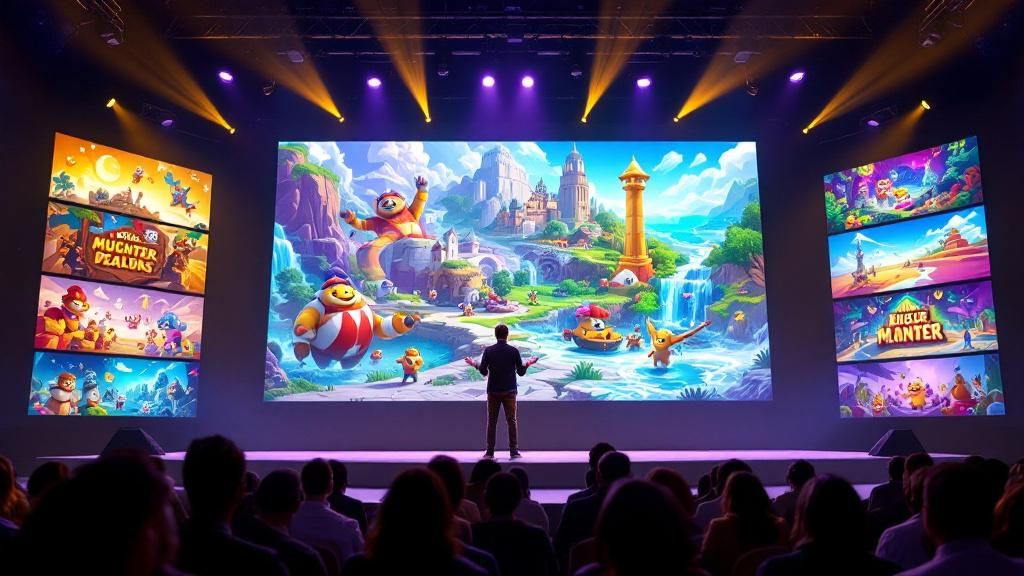
Small studio teams brought their most innovative creations to the spotlight at the annual developer event, where titles like Mixtape and Replaced drew interest with innovative artistic approaches. The indie showcase, showcased during the event, demonstrated that smaller studios actively challenge artistic and design frontiers in ways that question industry conventions. These up-and-coming creators demonstrated that independent projects rival major studio releases in terms of unique appeal and player interest. The presentations highlighted a rising pattern in the gaming industry: players increasingly seek unique experiences from passionate indie teams willing to pursue bold artistic directions. As the conference wrapped up, industry observers remarked that the independent sector plays a crucial role to gaming’s evolution, offering audiences multiple perspectives and innovative mechanical systems that determine the medium’s future.
The Rise of Independent Game Creation
The gaming landscape has undergone a dramatic transformation in recent years, with independent developers positioning themselves as creative powerhouses changing how games are developed and consumed. No longer confined to niche markets, indie studios now garner substantial audience attention and critical acclaim, often surpassing larger publishers in innovation and artistic vision. The Game Developers Conference functions as a vital venue where these creative professionals showcase their work to industry professionals, investors, and fellow developers. This exposure has become critical to cementing indie games as a recognized and flourishing sector within the larger gaming industry.
What defines independent developers is their openness to trying unconventional gameplay mechanics, narrative techniques, and creative aesthetics that major studios might view as financially risky. Unburdened by corporate limitations and shareholder pressures, indie teams can develop passion-driven games that connect strongly with specific audiences while sometimes reaching broad commercial success. The showcase at GDC proved that quality and originality exceed financial constraints—titles like Mixtape and Replaced prove that compelling experiences stem from creative ambition rather than production spending. This opening up of game creation has significantly changed industry expectations, compelling major publishers to reconsider their approach to innovation and audience connection.
- Independent developers prioritize creative experimentation over mainstream conventions
- Indie games achieve critical success through creative direction and uniqueness
- Smaller studios cultivate passionate communities around unique gaming experiences
- Independent sector fuels creative advancement and pushes artistic limits
Standout Independent Games Making Waves
Mixtape and its Creative Vision
Mixtape serves as a testament to indie developers’ talent for producing emotionally resonant experiences through non-traditional approaches. The game intertwines narrative and gameplay in ways that challenge traditional storytelling methods, creating an immersive world that prioritizes participant control and impactful options. Its presentation at GDC garnered significant attention from industry professionals who recognized the title’s ability to impact how independent studios approach game design. The developers behind Mixtape prove that ambitious creative visions need not rely on massive budgets or established franchises to captivate audiences and achieve recognition.
The success of Mixtape reflects a broader trend where indie games emphasize artistic authenticity over market viability. By emphasizing what distinguishes their creative direction rather than chasing market trends, the creative group created something genuinely memorable. The game’s reception at the event illustrated how players crave content that feels tailored and unique. Mixtape proves that small studios have the imaginative confidence to embrace challenges that big-budget companies often sidestep, producing fresh perspectives that enhance the gaming landscape.
Revamped: Rethinking Timeless Game Mechanics
Replaced showcases how indie creators can revitalize familiar gameplay concepts through innovative artistic direction and deliberate gameplay refinement. The game takes established mechanics and transforms them through a unique aesthetic approach and narrative framework that feels entirely contemporary. By respecting the foundations of traditional mechanics while introducing meaningful innovations, Replaced demonstrates that nostalgia doesn’t require creative stagnation. The title’s appearance at the Game Developers Conference sparked conversations about how independent developers can honor gaming history while simultaneously pushing the industry forward in surprising ways.
What makes Replaced notably significant is its balance between accessibility and creative ambition. The creative team successfully crafted a game that appeals to players familiar with traditional mechanics while delivering enough novelty to captivate experienced gamers pursuing something different. This strategy exemplifies how small development teams can achieve wide-ranging appeal without compromising their artistic vision or relying on derivative design. Replaced’s presentation at the conference underscored the industry recognition that indie developers possess both the technical skill and creative sensibility to create games that connect with diverse player demographics.
- Indie titles demonstrate equal or superior quality compared to major studio releases
- Artistic freedom allows developers to explore creative chances major publishers shy away from
- Unique perspectives from small teams attract engaged, committed player bases
Platform Support and Developer Prospects
The gaming industry’s focus on backing independent developers has reached greater visibility than at major conferences like GDC, where major platforms prominently feature indie talent alongside blockbuster releases. Xbox, PlayStation, and Nintendo have all established extensive initiatives designed to reduce barriers to entry for small studios, delivering development kits, promotional assistance, and direct access to publishing infrastructure. These efforts recognize that independent developers constitute a crucial creative element within gaming, able to produce groundbreaking content that resonate with audiences worldwide. By supporting indie ecosystems, major platforms maintain a continuous flow of varied quality offerings that keeps their audiences invested and showcases their commitment to promoting creative development across the industry.
Beyond conventional publishing support, digital storefronts and subscription platforms have dramatically reshaped opportunities for indie creators. Platforms now actively curate indie selections, showcasing standout titles prominently to maintain prominence in crowded marketplaces. This democratization of distribution means that talented developers no longer require massive marketing budgets or established industry connections to reach millions of prospective gamers. Conference appearances like those at GDC offer crucial networking opportunities, allowing indie creators to connect with platform representatives, investors, and fellow developers. These connections often translate into tangible support—from placement opportunities to development grants—that enable small teams to continue creating ambitious games without financial compromise.
| Support Type | Developer Benefit |
|---|---|
| Development Kits and Tools | Access to official SDKs and engines at reduced or no cost, accelerating development timelines |
| Marketing and Visibility | Featured placement on digital storefronts and conference showcases, reaching millions of potential players |
| Financial Grants and Funding | Direct investment programs and publishing partnerships that reduce financial risk for small studios |
| Networking and Mentorship | Direct connections with industry professionals, investors, and experienced developers for guidance and collaboration |
What’s Ahead for Independent Games
The surge of enthusiasm around indie creators at major gaming conferences indicates a bright outlook for the future of gaming. As major players remain committed in independent game development and creation software becomes easier to use, smaller studios are equipped to pursue more complex creations than previously possible. The popularity of independent game events shows that gamers seek out innovative game concepts that push back against industry standards. This rising awareness generates a positive feedback loop: successful indie titles secure additional capital, which empowers creators to pursue bolder artistic visions, ultimately creating the groundbreaking titles that keep players engaged and enthusiastic toward the future of games.
Looking ahead, the convergence of improved development tools, expanded funding opportunities, and dedicated platform support suggests indie games will play an increasingly central role in shaping gaming culture. As large companies deal with increasing expectations to innovate, they’re looking to indie developers for new creative directions. This collaborative relationship—where creative independence meets established industry support—promises to elevate the entire industry. Emerging technologies like online gaming platforms and artificial intelligence creation platforms will further democratize game creation, enabling even smaller teams to create refined, professional-grade games. The upcoming indie creator community is prepared to challenge established conventions and transform the possibilities of gaming.
- Improved development tools opening up game creation for independent developers
- Growing funding and publishing partnerships lowering cost barriers to entry
- Rising audience demand for diverse, innovative gaming experiences
- Emerging tools allowing ambitious projects from small groups
- Increased sector acknowledgment of indie creative output’s commercial and cultural value
