
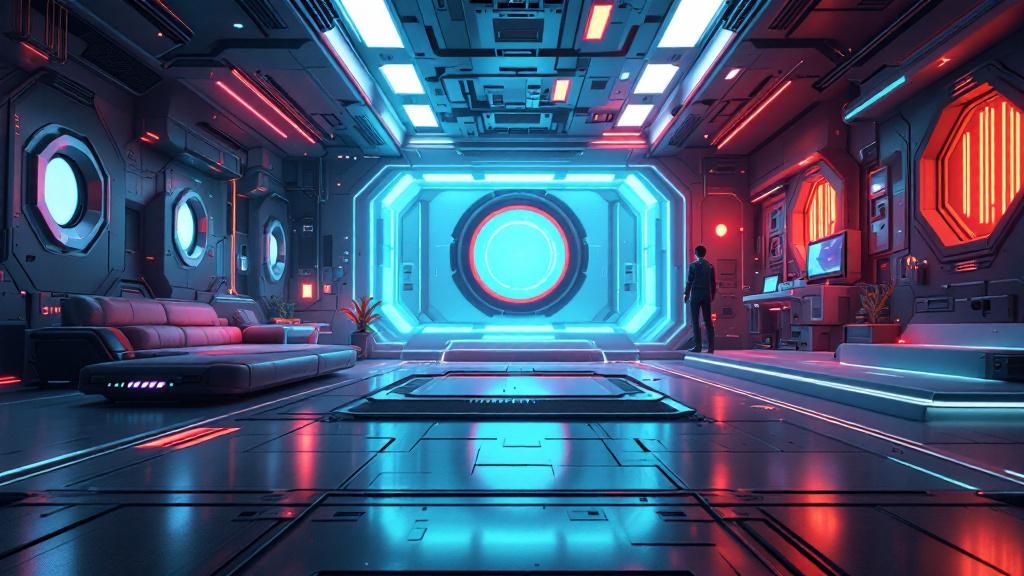
Capcom has announced fresh information and gameplay for several of its most anticipated upcoming titles during the Capcom Spotlight 2026 showcase held on March 5, 2026. The presentation included in-depth glimpses at the sci-fi adventure Pragmata, the character-driven Monster Hunter Stories 3: Twisted Reflection, and additional major releases from the legendary Japanese publisher. The presentation provided gamers with their most comprehensive glimpse yet at these much-expected projects, delivering new trailers, in-game footage, and developer perspectives into what players can expect when these titles arrive. The event marks a important occasion for fans of Capcom looking to find out more about the publisher’s varied lineup of forthcoming titles covering different genres and platforms.
The game Pragmata Steps Into the Spotlight with New Gameplay Unveiling
Capcom’s sci-fi adventure Pragmata stood out as one of the standout presentations during the Capcom Spotlight 2026 event, with developers demonstrating extended gameplay sequences that showcased the game’s distinctive combination of exploration and puzzle-solving mechanics. The fresh gameplay reveal revealed the protagonist’s passage across breathtaking landscapes brimming with environmental storytelling and interactive elements that shape the narrative progression. Players obtained their first detailed glimpse at how the game’s central mechanics operate during gameplay, exemplifying the developer’s dedication to building an immersive and engaging experience that expands the limits of the adventure genre.
The gameplay presentation underscored Pragmata’s visual storytelling approach and the critical role of player freedom in unraveling the game’s secrets. Developers explained how the title’s plot progresses through player exploration and interaction with the world, rather than leaning on exposition. The showcase highlighted fluid controls and intuitive gameplay systems designed to make exploration and puzzle-solving feel intuitive and rewarding. This updated look at Pragmata verified that the project stands as one of Capcom’s most ambitious undertakings, blending state-of-the-art visuals with engaging narrative that seeks to engage audiences worldwide.
- Pragmata offers gameplay centered on exploration with puzzle-solving mechanics throughout the environment across the experience.
- The game emphasizes cinematic visual style combined with significant player choice and agency.
- New footage demonstrated smooth, responsive controls and responsive systems for movement and interaction.
- Developers underscored story development through world interaction rather than exposition.
Monster Hunter Stories 3: Twisted Reflection Extends the Franchise
Monster Hunter Stories 3: Twisted Reflection showcased a notable evolution for Capcom’s iconic spin-off series, delivering players with an expanded narrative experience that enhances the connection between hunters and their monstrous companions. The gameplay demonstration highlighted improved systems that expand on the franchise’s turn-based combat system while adding fresh tactical options. The presentation underscored how the third installment aims to deliver a highly immersive story-driven adventure, merging the series’ signature beast-bonding system with more substantial character arcs and world creation that connects with both longtime fans and newcomers to the Monster Hunter universe.
The showcase underscored Monster Hunter Stories 3’s focus to blending action and narrative in meaningful ways, with developers explaining how player choices influence the unfolding story and character relationships. Enhanced graphics and expanded environments give greater chances of exploration and discovery throughout their adventure. The game’s design philosophy revolves around creating an accessible yet deep experience that maintains the strategic depth Monster Hunter fans expect while attracting players who prefer narrative-driven gameplay. This balance positions the title as a notable addition within the broader Monster Hunter franchise ecosystem.
Plot and Environment Advancements
The distorted mirror story framework introduces a engaging fresh dimension to the Monster Hunter Stories universe, examining themes of duality and perspective through the player’s journey. Developers revealed that the narrative explores the way various characters view the same events differently, creating narrative layers that benefit from close focus to dialogue and environmental details. This innovative storytelling approach transforms the classic monster-hunting experience into a puzzle that develops over time, encouraging players to question assumptions and assemble the facts from various perspectives across their journey.
Monster Hunter Stories 3 presents brand new regions and ecosystems that broaden the franchise’s world map considerably. These fresh environments showcase diverse monster populations and deliver specialized hunting experiences designed around each area’s distinct characteristics. The world-building elements surpass basic graphical differences, with each region boasting its own unique culture, NPC communities, and narrative threads that blend smoothly into the overarching plot. This enhancement builds a more vibrant setting that appears living and unified, giving players substantial reasons to explore every corner of the game’s expansive map.
- Fresh regions showcase unique ecosystems with varied creature types and pursuit difficulties.
- Story viewpoint mechanics uncover plot elements through various protagonist perspectives and understandings.
- Heritage aspects and inhabitant groups create linked environmental design across various areas.
Street Fighter and Classic Franchises Get Modern Treatment
Capcom’s legendary fighting game franchise Street Fighter remains in evolution with new combat features and enhanced battle systems revealed at the Capcom Spotlight 2026 presentation. The developer demonstrated better-tuned character balance, better input response, and new special move animations that update the traditional gameplay while maintaining the series’ competitive tradition. These refinements are designed to appeal to both experienced competitive players and new players looking for easier access into one of gaming’s most iconic competitive communities. The presentation highlighted how Capcom remains committed to keeping Street Fighter relevant in today’s esports landscape.
Beyond Street Fighter, Capcom’s extensive range of classic franchises garnered considerable focus, with developers unveiling modernized approaches to iconic series that defined gaming history. The company illustrated how traditional gameplay foundations can be enhanced with up-to-date graphics, accessibility upgrades, and enriched offerings without diminishing the essential elements that made these franchises iconic. Each title presented thoughtful evolution rather than radical reinvention, maintaining the essence that resonates with longtime fans while introducing compelling reasons for fresh players to explore these legendary titles. This measured strategy emphasizes Capcom’s commitment to thoughtful franchise management.
| Franchise | Updates |
|---|---|
| Street Fighter | Enhanced character balance, responsive controls, new special move animations |
| Pragmata | Expanded gameplay mechanics and visual enhancements for immersive experience |
| Monster Hunter Stories 3 | New regions, narrative perspective mechanics, cultural world-building elements |
| Classic Capcom Titles | Modern graphics, quality-of-life improvements, expanded content offerings |
The modernization strategy shows Capcom’s awareness that iconic series hold significant nostalgic value while requiring contemporary polish to stand out in current gaming industry. By thoughtfully enhancing visual design, control responsiveness, and overall accessibility without losing what created their original charm, Capcom maintains their storied franchises remain relevant for different generations of audiences. This thoughtful approach to franchise progression reflects the studio’s dedication to honoring its storied history while decisively progressing into unexplored creative spaces.
What Capcom Spotlight 2026 Represents for Gaming
Capcom Spotlight 2026 marks a critical juncture for the gaming industry, demonstrating how major studios can balance innovation with tradition. The showcase showed that the future of gaming doesn’t demand abandoning fan-favorite properties in favor of wholly different games. Instead, Capcom’s approach focuses on deliberate progression—taking established game systems, enriching them with contemporary tools, and expanding their scope to attract experienced gamers and fresh audiences. This philosophy counters the widespread practice of constant reinvention and indicates that honoring gaming traditions while adopting modern benchmarks creates the most engaging content for diverse audiences.
The significance extends beyond Capcom’s portfolio, setting a template for how large studios should handle their catalogs. By highlighting multiple franchises at varying stages of development and modernization, Capcom illustrated that there’s space in today’s market for everything from story-focused experiences like Pragmata to strategic role-playing experiences like Monster Hunter Stories 3. The event emphasizes an important industry lesson: players seek out variety, and publishers who can deliver quality across multiple genres and gameplay styles will prosper. Capcom’s strategic presentation suggests faith in their varied portfolio and a clear vision for staying relevant across multiple gaming generations.
- Established franchises can succeed with careful evolution and contemporary visual enhancements
- Balancing nostalgia with innovation creates appeal for veteran and newer players
- Varied game libraries allow publishers to reach various market segments efficiently
- Quality-of-life improvements prove vital for legacy titles operating within today’s gaming landscape
- Publisher confidence in heritage franchises reflects broader industry shift toward careful preservation
