
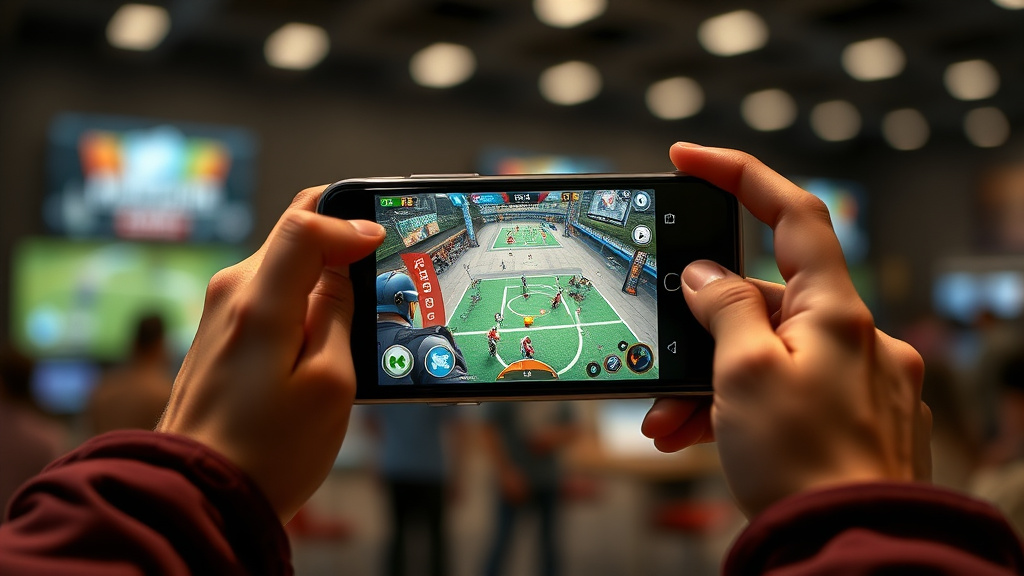
Augmented reality has revolutionized mobile gaming, blurring the boundaries between digital worlds and physical reality. From Pokémon GO’s worldwide sensation to innovative AR features in mainstream titles, developers are utilizing advanced tools to create engaging gameplay environments that keep players more invested than ever. This article examines how AR capabilities improve game mechanics, foster community interaction, and drive unprecedented player retention rates. Learn about the profound influence of augmented reality on the mobile gaming industry and what the future holds for this exciting frontier.
How Augmented Reality Elevates Immersive Gaming Experiences
Augmented reality technology significantly changes how players engage with mobile games by smoothly integrating digital elements into their real-world environment. This innovative approach generates a feeling of presence and authenticity that traditional gaming cannot replicate. Players no longer remain passive observers on screens; instead, they serve as engaged participants in a mixed reality space where animated figures and elements coexist with actual physical spaces. This deeper immersion markedly enhances emotional investment, making gameplay experiences more engaging and impactful for diverse player demographics.
The technical strengths of AR allow developers to build dynamic, location-based gameplay mechanics that motivate players to discover their neighborhoods and communities. By anchoring virtual content to real-world coordinates and objects, games reinforce curiosity and physical movement, turning everyday environments into interactive playgrounds. This approach not only boosts daily engagement metrics but also promotes social interaction as players gather in shared locations to work together or compete. The result is a transformative gaming paradigm that reaches beyond screens, building genuine connections between digital entertainment and real-world exploration.
Major AR Capabilities Boosting Gamer Retention
Augmented reality features have become essential in sustaining player engagement and loyalty within mobile gaming environments. By smoothly blending digital elements into real-world environments, developers establish strong incentives for players to engage regularly. These innovative mechanics convert standard play sessions into meaningful experiences that promote sustained participation. The blend of engaging gameplay, community features, and continuous advancement mechanics powered by AR technology has demonstrably increased player retention rates across various platforms and game types.
Location-Based Gaming Mechanics
Location-based AR mechanics anchor players to their physical surroundings, promoting exploration and outdoor engagement. Games leveraging GPS technology combined with augmented reality create dynamic environments where specific geographic locations unlock exclusive content, rare items, and unique challenges. This approach transforms familiar neighborhoods into adventure zones, motivating players to visit new areas regularly. The gamification of actual exploration generates substantial retention benefits, as players sustain consistent engagement to discover location-specific rewards and participate in community-driven events.
The community element of location-based gaming significantly amplifies retention potential. Players meet at designated hotspots, creating natural community formation and collaborative gameplay experiences. These gatherings generate meaningful social interactions that go beyond typical gaming sessions, establishing deeper bonds to the game. Regular location-based events and seasonal updates ensure players continuously discover new reasons to explore their surroundings, preserving long-term engagement and long-term engagement with the platform.
Real-World Object Incorporation
Physical object detection technology allows players to engage with their physical environment in unprecedented ways. By scanning everyday items, landmarks, or specially designed markers, players access virtual material, trigger special events, or gather digital items. This smooth blend between tangible and digital worlds creates intuitive, naturalistic gameplay interactions that seem authentic and rewarding. The innovation and engagement of object-based AR mechanics promote ongoing participation as players continuously discover new interactive elements within their everyday environment.
Object integration systems strengthen player engagement through tailored, contextual experiences tailored to specific environments. Players establish unique relationships with individual areas and objects within their neighborhoods, creating customized story experiences. This adaptation fosters greater emotional engagement in the gameplay experience, as players perceive their local setting directly influence their advancement and achievements. The sustained discovery of fresh interactive features maintains ongoing engagement and promotes daily engagement with the application.
Market Impact and Player Data
The adoption of augmented reality into mobile gaming has produced significant economic growth within the industry. Games equipped with AR capabilities have displayed substantially increased revenue streams in contrast with traditional mobile titles. Market analysts note that AR-enabled games draw broader demographics, including casual players who had demonstrated limited interest in gaming. This expanded audience base has substantially increased increased in-app purchases, advertising revenues, and subscription models, collectively reshaping the mobile gaming economy.
Player engagement indicators reveal compelling evidence of AR’s revolutionary power in gaming experiences. Studies show that AR-integrated games achieve retention rates 40-60% above conventional mobile games. Daily active users spend considerably more time within augmented reality environments, with average session lengths extending from 20 minutes to over 45 minutes. Furthermore, sharing capabilities inherent to AR gameplay enhance viral growth, creating grassroots player recruitment channels that reduce marketing expenses while maximizing player lifetime value.
Future projections suggest continued expansion in the AR gaming sector, with forecasts suggesting the market will surpass $100 billion globally by 2030. Leading tech firms and smaller development studios keep pouring funds heavily in AR platform development and game design. Player surveys reveal overwhelming enthusiasm for interactive AR gameplay, with over 75% of respondents expressing interest in trying innovative augmented reality titles. This convergence of technological advancement, consumer demand, and capital spending establishes augmented reality as the defining force transforming mobile gaming’s evolution.
