
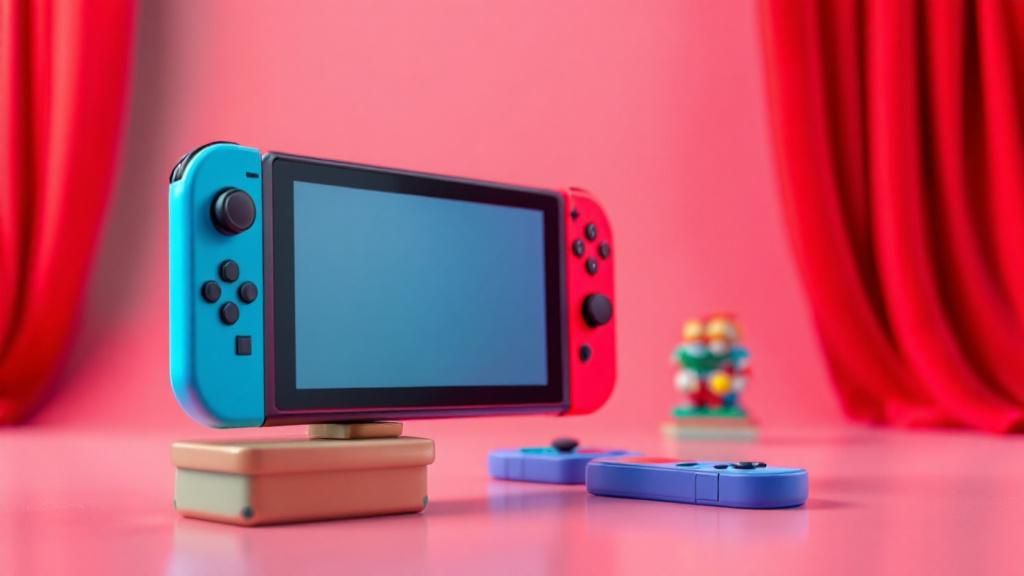
Nintendo Files Suit Against U.S. Tariff Policy
Nintendo has launched legal action against the U.S. government challenging tariff policies implemented under the Trump administration, constituting a notable increase in the gaming industry’s pushback against trade restrictions. The lawsuit, submitted in March 2026, marks one of the most prominent corporate objections to the tariffs affecting consumer electronics and imported goods. The Japanese gaming giant argues that the tariffs unfairly impact its business operations and ultimately harm American consumers through higher costs on Nintendo products. The lawsuit demonstrates growing frustration among leading technology and entertainment firms over trade policies they argue are financially harmful and lack sufficient rationale for the gaming sector specifically.
The Trade War Begins
Nintendo’s choice to initiate legal action against the U.S. government represents a pivotal turning point for the gaming industry’s approach toward trade tariffs. The company’s lawsuit contests the constitutional and economic basis for tariffs that have been applied broadly to imported electronics, arguing that the measures disproportionately affect the gaming sector without valid national security rationales. Nintendo maintains that these tariffs force the company to either bear substantial expenses or convey them to American customers, creating an untenable situation that undermines fair competition and market dynamics in the entertainment industry.
The timing of Nintendo’s lawsuit is notably important, happening as other leading tech firms have started expressing similar concerns about import limitations. Sector experts suggest that Nintendo’s readiness to contest the tariffs in court could embolden other gaming and electronics manufacturers to seek their judicial recourse. The case is projected to create important precedents regarding the government’s authority to impose expansive tariffs on retail products and may shape the way upcoming trade conflicts are resolved involving technology firms and federal bodies.
- Nintendo contests tariffs are lacking in adequate justification for the gaming sector.
- Company contends tariffs harm American shoppers through price increases.
- Court case could inspire other tech companies to sue.
- Case may create significant precedents for subsequent trade disagreements.
Effects on Gaming Hardware and Consumers
The tariff dispute presents substantial implications for the gaming hardware market and the many Americans who purchase Nintendo products annually. If the tariffs remain in place without modification, Nintendo faces mounting pressure to modify its pricing approach, thus rendering gaming consoles and accessories less affordable for everyday consumers. The company’s lawsuit reflects concerns that present tariff regulations create an uneven playing field, where local producers and foreign companies face distinct financial burdens. Industry analysts caution that extended tariff instability could interrupt product distribution and postpone the arrival of fresh gaming equipment that American gamers have been anticipating.
Beyond Nintendo’s direct business interests, the lawsuit raises broader questions about how tariff policies impact consumer choice and innovation in the entertainment sector. Gaming fans worry that rising expenses could shut out younger players and cost-aware households from accessing Nintendo’s extensive library of games and hardware. The company argues that tariffs on technology imports were designed primarily with manufacturing products in mind, not entertainment offerings for consumers that represent a key component of American culture and leisure activities. Nintendo’s legal action seeks to clarify the distinction between justified protectionist measures and excessively wide-reaching rules that inadvertently harm consumer-facing industries.
Cost Increases at Risk
Nintendo has warned that sustained tariffs could force the company to raise prices on Switch consoles, games, and accessories across the American market. Current tariff rates have raised the cost of sourcing gaming hardware, squeezing Nintendo’s profit margins and creating difficult decisions about pricing strategy. The company faces a dilemma: bear the tariff costs and reduce profitability, or shift costs to consumers and risk ceding market position to competitors. Nintendo’s lawsuit specifically challenges whether these price increases serve any legitimate national interest or simply weigh on American families seeking affordable entertainment options.
Retail analysts predict that even modest price hikes could significantly affect Nintendo’s sales in the highly competitive gaming market. Consumers already face numerous alternative entertainment choices, and price sensitivity remains a critical factor in purchasing decisions for gaming hardware. If Nintendo is forced to raise prices while competitors gain from different tariff treatments, the company could lose valuable market share. The lawsuit argues that the tariff structure disproportionately harms Nintendo compared to other electronics manufacturers and ultimately damages the American gaming ecosystem by making products less accessible to consumers across all income levels.
- Tariffs could compel Nintendo to raise console and game prices substantially.
- Price hikes may limit consumer access to gaming products nationwide.
- Competitors could obtain an edge if tariffs applied inconsistently across the sector.
- Sustained tariffs threaten Nintendo’s market competitiveness and profitability.
Nintendo’s Lawful Claims
Nintendo’s lawsuit centers on the assertion that the current tariff system breaches established commerce law principles and unfairly impacts consumer electronics manufacturers without serving valid security-related interests. The corporation contends that gaming hardware and programs do not fall into classifications requiring safeguards under national defense requirements, yet encounter the same punitive tariff levels as products with legitimate strategic importance. Nintendo contends that the tariffs represent an abuse of executive authority and fail to satisfy the legal standard for justified trade restrictions. The lawsuit aims to demonstrate that blanket tariffs on consumer products surpass the bounds of permissible trade practices and represent an unjustified strain on U.S. businesses and purchasers.
Moreover, Nintendo argues that the tariff policy lacks transparency and rational basis, applying uniform rates across diverse product categories without considering industry-specific impacts. The company emphasizes that gaming is a recognized and important segment of the American economy, producing billions in revenue annually and supporting thousands of jobs in sales, logistics, and creative production. Nintendo’s legal team contends that applying tariffs to entertainment goods to the same tariff treatment as industrial equipment and national defense items demonstrates regulatory overreach. The lawsuit requests judicial review of the tariff classifications and seeks tariff relief for electronic consumer goods that lack any connection to security-related interests.
| Argument | Details |
|---|---|
| Lack of National Security Basis | Gaming hardware poses no legitimate threat to national defense and should not face tariffs designed for strategic industries. |
| Arbitrary Classification | Tariffs apply uniformly across unrelated product categories without rational justification or industry-specific analysis. |
| Economic Harm to Consumers | Tariffs increase prices on affordable entertainment, reducing access for American families across all income levels. |
| Competitive Disadvantage | Inconsistent tariff application disadvantages Nintendo compared to other electronics manufacturers and competitors. |
Supply Chain Concerns
Nintendo’s legal arguments also highlight disruptions to the global manufacturing supply chain that supports American retail and consumer markets. The company operates production facilities and logistics infrastructure across multiple countries, and tariffs on imported components raise expenses throughout the full distribution system. Nintendo argues that these tariffs effectively penalize American retailers and consumers for buying products produced under international trade standards. The lawsuit contends that supply chain efficiency benefits American workers and businesses, and tariffs that disrupt these networks ultimately harm the domestic economy rather than safeguard it.
Additionally, Nintendo notes that the gaming industry requires complex international partnerships for parts procurement, software development, and logistics. Tariffs produce inefficiency and uncertainty throughout these networks, forcing companies to explore new distribution channels or cover increased costs. Nintendo argues that this disruption contradicts stated policy goals of promoting American economic growth and competitiveness. The company’s legal team stresses that manufacturing partnerships with countries like Japan and South Korea represent mutually beneficial trade relationships that reinforce both economies and ought not to be undermined by broad tariff policies devoid of specific strategic justification.
Sector Reaction and Wider Impact
Nintendo’s lawsuit has resonated throughout the gaming and consumer electronics industries, with other major manufacturers facing similar tariff pressures paying close attention. The case represents a major test to the administration’s tariff policy, possibly establishing precedent for how judicial bodies assess trade barriers on consumer goods. Industry analysts note that a ruling in Nintendo’s favor could embolden other firms to launch lawsuits, while a government success would likely strengthen the administration’s tariff authority. The lawsuit underscores mounting friction between protectionist policies and the integrated worldwide supply networks that contemporary production depends upon.
Beyond the gaming sector, Nintendo’s legal action carries consequences across the broader consumer electronics and retail landscape. Companies importing smartphones, laptops, televisions, and other goods face similar tariff costs that in the end increase prices for American consumers. Trade associations speaking for manufacturers and retailers have voiced concerns that uncontrolled tariffs could spark retaliatory measures from trading partners, possibly disrupting global trade. The result of Nintendo’s case may shape how policymakers balance protectionist objectives with consumer well-being and competitive advantage in an more globalized marketplace.
- Gaming industry players tracking legal proceedings for precedent-setting implications and possible cost relief strategies
- Retail sector tracking tariff effects on prices and spending capacity across entertainment sectors
- Trade partners evaluating retaliatory actions if tariffs stay the same or expand further
- Consumer advocacy groups highlighting affordability concerns and availability of entertainment products for lower-income families
- Policymakers reassessing tariff approaches amid legal challenges questioning economic justification and implementation approach
Moving Forward
Nintendo’s lawsuit will likely proceed through federal courts, with opening motions and discovery phases expected in coming months. The case will require the government to justify its tariff classifications and show how the policies serve legitimate trade protection goals. Legal experts expect arguments centered on constitutional power, administrative procedure adherence, and whether duties meet standards for reasonable trade regulation. The resolution timeline could stretch into 2027, causing Nintendo and other affected companies operating under existing tariff structures during the litigation process.
Meanwhile, market observers expect additional lawsuits from other prominent electronics makers and vendors challenging various aspects of the tariff framework. Legislative debates about trade regulations may intensify as companies mobilize advocacy campaigns and business coalitions advocate for tariff changes or exclusions. The larger issue of whether tariffs accomplish their planned economic outcomes will probably shape debate, with Nintendo’s court filings offering meaningful information to continuing policy debates about balancing trade protection with consumer welfare and international competitiveness.
