
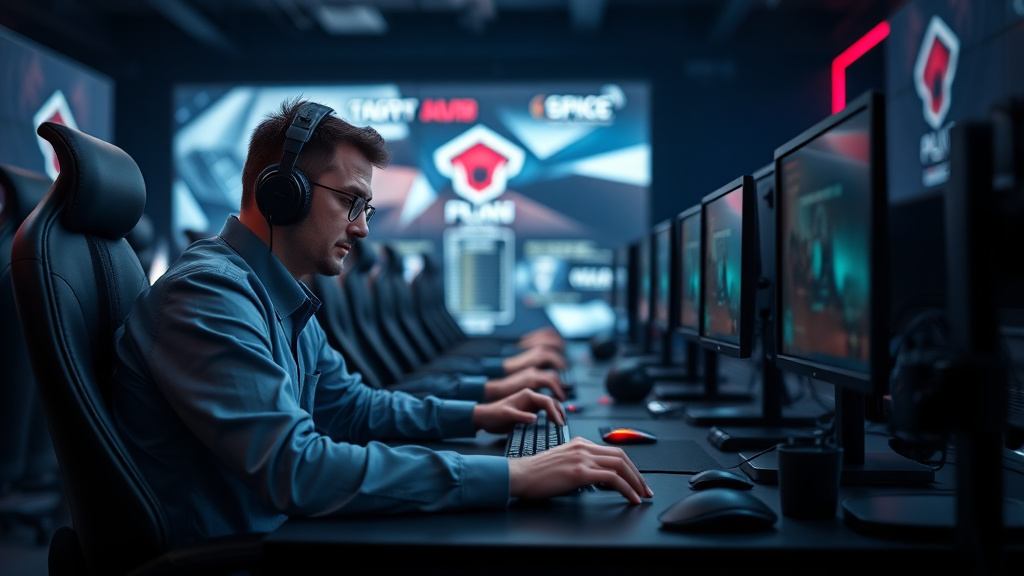
In the competitive world of esports, milliseconds count. Professional gamers know that victory often hinges on the quality of equipment and personal preference. Whether you’re an competitive hopeful or hobby enthusiast, analyzing top players’ equipment can elevate your gaming performance. This article gathers highly useful keyboard and mouse suggestions straight from top esports professionals across different competitions, revealing the exact equipment selections, customizations, and settings that grant elite players their performance advantage at the highest levels of play.
Selecting the Perfect Gaming Input Device
Selecting the best gaming keyboard is fundamental to establishing a performance advantage in esports. Professional players stress that keyboard choice directly impacts reaction speed, comfort during extended gaming sessions, and performance reliability. The right keyboard should feel natural under your fingers, ensure consistent key registration, and suit your particular gaming requirements. Top esports athletes dedicate significant effort testing different keyboards before committing to their main configuration, understanding that familiarity breeds excellence.
Beyond basic functionality, a gaming keyboard must withstand demanding competitive matches and frequent key presses during intense tournaments. Construction quality and longevity separate tournament-level keyboards from mainstream alternatives. Many professional players tailor their keyboards with specific keybinds, macros, and programmable lighting options to optimize their gameplay. The commitment to premium keyboard gear pays dividends through improved muscle memory development and reduced fatigue during marathon training sessions and tournament play.
Mechanical versus Membrane Keyboards
Mechanical keyboards dominate professional esports due to better tactile feel and responsive individual keys. Each key includes a separate switch system that registers input instantly, giving players exact control and consistent performance. Professional gamers overwhelmingly prefer mechanical keyboards for their durability and reliability, and the gratifying response that enhances gameplay experience. The clicking sound of mechanical switches also provides psychological confirmation of registered key presses during intense competitive moments.
Rubber dome keyboards, while cheaper and less noisy, lack the separate keystroke components that mechanical keyboards offer. Professional players rarely choose membrane keyboards for competitive play because the dome switch design introduces latency and reduces key response. However, some players employ membrane keyboards for specific applications or practice scenarios. The consensus among elite esports athletes clearly prefers mechanical switches for tournament-level competition and serious training environments.
- Switch mechanisms offer faster actuation and consistent keystroke detection reliably.
- Membrane-based keyboards provide cost-effective options with quieter operation overall.
- Linear-type switches enable smooth, uninterrupted key presses for quick typing.
- Tactile-response switches deliver distinct tactile response confirming accurate key detection.
- Click-type switches generate audible feedback preferred by numerous esports competitors.
Finding Your Best Gaming Mouse
Selecting the ideal gaming mouse is essential to competitive esports success. Professional players emphasize that mouse selection transcends aesthetics; it directly impacts aim precision, reaction time, and overall performance. Top competitors test multiple models extensively before committing to one, considering factors like ergonomics, weight distribution, and cable quality. The ideal mouse should feel like a natural extension of your hand, enabling consistent flick shots and smooth tracking throughout marathon gaming sessions.
Elite esports athletes seek out mice with reliable sensors, minimal latency, and programmable controls that match their specific game requirements. Many competitive players prefer light weight models between 60 and 80 grams, as reduced weight decreases fatigue during long competitive events. The holding technique—palm grip, claw grip, or fingertip grip—differs from person to person, making hands-on testing essential before purchase. Investing in a high-quality mouse from reputable manufacturers guarantees durability and performance consistency that separates champions from casual players.
DPI Configuration and Sensitivity Preferences
DPI sensitivity represents one of the most critical mouse settings in esports competition. Professional esports players fine-tune DPI to align with their preferences, with most preferring lower settings between 400 and 1600 DPI for greater control. Lower DPI requires larger physical movements but rewards accuracy, particularly in tactical shooting games requiring pinpoint targeting. Each player discovers their optimal sensitivity through consistent repetition, finding the sweet spot between speed and control.
Consistency in DPI settings becomes vital for establishing muscle memory and maintaining competitive performance. Top professionals seldom change their DPI mid-season, as abrupt shifts disrupt the neurological patterns developed through numerous practice hours. Many esports athletes use the same DPI across multiple games, creating unified muscle memory that transfers smoothly between titles. Experimenting with sensitivity levels during practice sessions helps determine your individual preference before participating in tournament play.
- Reduced DPI settings enhance precision and accuracy for competitive play
- Expert gamers typically keep consistent DPI throughout various games
- Increased sensitivity works well for aggressive playstyles demanding quick camera adjustments
- Muscle memory development demands weeks of training with chosen DPI settings
- Monitor refresh rate and in-game sensitivity settings impact DPI performance perception
Enhancing Your Complete Setup
Establishing the ideal gaming space extends beyond selecting individual peripherals. Professional esports players emphasize that your keyboard and mouse work synergistically within your complete setup. Monitor elevation, monitor positioning, chair support, and cable management all contribute to consistent performance. When these elements align properly, you’ll experience reduced fatigue during extended gaming sessions and maintain the precision needed for competitive gaming at elite levels.
Your setup should adapt to your gaming requirements and preferences. Top professionals consistently evaluate their equipment arrangements, making incremental adjustments based on tournament results and comfort considerations. Don’t hesitate to experiment with different placements, sensitivity settings, and equipment combinations. The investment in refining your complete setup delivers benefits through enhanced consistency, reduced injury risk, and ultimately, improved competitive performance across diverse gaming titles and scenarios.
Ergonomics and Comfort Factors
Proper ergonomic design reduces repetitive stress injuries that plague many competitive gamers. Elite competitors focus on proper wrist positioning, correct arm positioning, and relaxed shoulders during gameplay. Your input devices should sit at elbow height when your arms are naturally at your sides. Proper postural alignment reduces tension, helps avoid carpal tunnel issues, and enables longer practice sessions without discomfort. Top performers invest in proper ergonomic setup because physical fitness significantly affects their performance capacity at a high level.
Convenience during competitive play cannot be dismissed or delayed. Many aspiring professionals sacrifice ergonomic principles for minor improvements in performance, resulting in lasting negative effects. Your equipment configuration should offer comfortable support during extended gaming sessions. Consider your personal body size, gaming style, and personal comfort needs when establishing ergonomic standards. Top-tier competitors often work with athletic experts and body specialists to improve athlete comfort, recognizing that consistent high performance depends on safeguarding your overall physical health.
- Set your desk at correct elbow height for maximum arm alignment.
- Maintain wrist in a neutral position to avoid repetitive strain injuries.
- Use ergonomic seating with lumbar support for prolonged gaming periods.
- Schedule frequent breaks to stretch and reduce muscle tension accumulation.
- Adjust monitor height so your eyes reach the top of the screen.
