
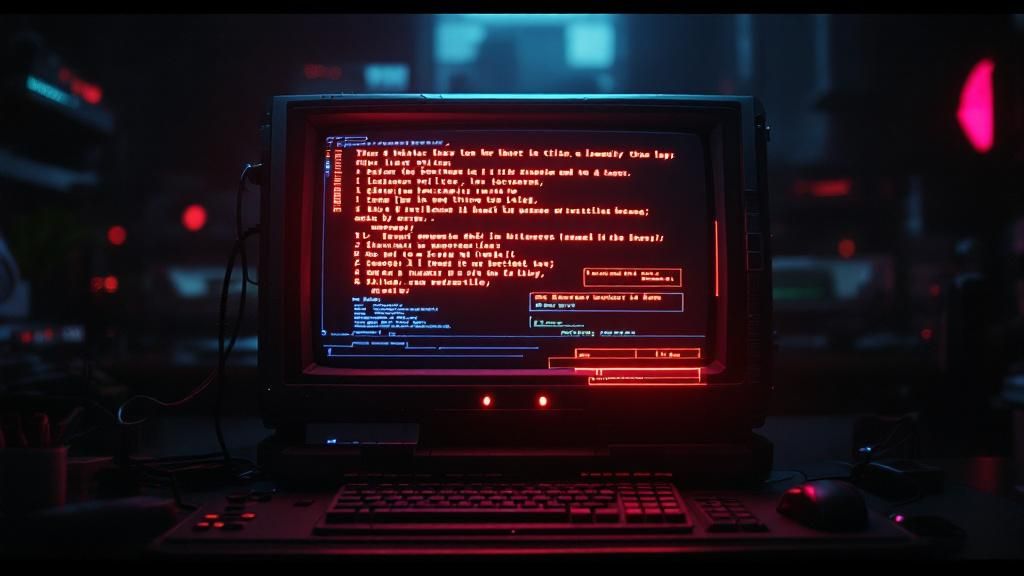
A unusual combination of classic adventure games and supernatural dread is set to arrive in Witchhunter.exe, an upcoming indie title that evokes the aesthetic of classic Gold Box Dungeons & Dragons games whilst incorporating disturbing otherworldly components. The game puts you in the role of a Salem-based witch hunter charged with questioning a group of women to identify which among them has formed an agreement with the Devil. What distinguishes Witchhunter.exe is its unique take on horror: the Devil himself manifests as pop-up windows infiltrating the game interface, creating a “ghost-in-the-machine” effect that blurs the line between story and technical glitches. The title merges text-based combat challenges with interactive story paths, delivering an sensation that seems genuinely retro whilst keeping modern horror aesthetics.
A Sentimental Exploration Of Online Terror
Witchhunter.exe’s visual presentation intentionally channels the heyday of computer role-playing games, drawing heavily from the visual style of classic Gold Box titles that established dungeon exploration experiences during the 1980s and early 1990s. This vintage aesthetic serves as considerably more than just nostalgia; it serves as the perfect vessel for the game’s horror ambitions. By embedding unsettling supernatural elements in a comfortingly familiar interface, the creators generate psychological tension that causes the demonic incursions feel all the more jarring and invasive. The interplay of wholesome vintage gaming aesthetics with truly unsettling material produces dread that current horror games occasionally find difficult to achieve.
The game’s creative foundation draws liberally from traditional British horror films, particularly the exploitation and supernatural films that defined 1970s exploitation film culture. References to cult horror movies like Witch Hunter General and The Blood on Satan’s Claw indicate a developer deeply versed in folk horror conventions. This cultural grounding gives Witchhunter.exe a feeling of direction outside of simple spectacle. Rather than merely pursuing shock tactics, the game seems dedicated to examining authentic historical fears around witchcraft accusations and religious panic, viewed through a distinctly digital lens that seems contemporary and unsettling equally.
- Text-based combat demanding players to choose or type accurate answers
- Devil manifests as pop-up windows interrupting the gameplay screen
- Choose-your-own-adventure systems determine questioning outcomes
- Beta playtest accessible with full progress monitored on Steam
Interrogation Mechanics Meet Supernatural Interference
At its core, Witchhunter.exe tests players to work through a ethically unclear questioning situation where determining guilt demands careful observation and strategic decision-making. The game casts you as a witch hunter tasked with interrogating a group of women, compelling you to assess the facts and witness accounts whilst determining who genuinely consorts with infernal powers. This premise draws on genuine historical horror—the witch persecutions of Salem and comparable historical injustices constitute some of our species’ most terrible periods. The gameplay mechanics transform this grim subject matter into engaging psychological pressure, where the decisions you make have significance and consequences.
The combat system cleverly combines linguistic puzzle-solving with rapid decision-making under time constraints. Players must either type the correct word or choose from a provided list before encountering supernatural consequences. This gameplay-focused design converts what might be a linear story experience into something requiring active participation and rapid decision-making. The focus on language selection feels particularly appropriate for a game about accusations and interrogation, where language itself becomes a weapon. Success depends not on reflexes alone but on grasping context, reading situations carefully, and responding appropriately when under pressure.
The Fine Print Matters
What truly sets apart Witchhunter.exe from traditional adventure games is the Devil’s relentless presence as a source of disruption within the game’s interface itself. Rather than existing as a traditional antagonist, the Devil manifests through pop-up windows and system-based interruptions, creating a spectral presence in the system aesthetic that feels truly disturbing. This approach transforms your computer screen into disputed space, where the line separating game from OS blurs disturbingly. The supernatural becomes not just a matter of theme but foundational, fundamentally altering how players experience the game world.
This meta-horror element contributes to psychological depth to the experience, playing on contemporary concerns about cybersecurity and technical stability. By positioning the Devil as an infiltrating presence corrupting your computer internally, the developers tap into contemporary fears about computer viruses and compromised systems. The approach echoes games like Pony Island, which likewise exploited the audience’s assumptions about digital boundaries. However, whether this approach ultimately improves or detracts from the central hunting storyline is yet to be determined once the beta playtest launches.
- Pop-up windows disrupt the gaming experience with sinister warnings and menacing content
- System-level glitches establish sense of digital decay
- Interface corruption functions as graphic representation of supernatural presence
Visual Inspiration From Vintage Horror Movies
Witchhunter.exe pulls inspiration from a deep legacy of British and European horror cinema, especially the narratives about witch hunts that defined Gothic horror and exploitation during the 1960s and 1970s. The game’s visual and thematic language clearly channels films like Witch Hunter General, The Blood on Satan’s Claw, and Cry of the Banshee—atmospheric historical pieces that converted historical paranoia into visceral film. This aesthetic tradition is additionally strengthened by the impact of Hammer Horror pictures, those iconic British films showcasing celebrated performers such as Peter Cushing and Christopher Lee. By establishing itself in this film tradition, Witchhunter.exe demonstrates its dedication to authentic horror atmosphere rather than cheap scares.
The choice to embrace retro aesthetics—merging the visual style of classic Gold Box tabletop RPGs with the atmospheric gloom of period horror cinema—produces a singular amalgamation that comes across as both nostalgic and intentionally out of time. This historical misalignment works in the game’s favour, permitting it to examine historical witch hunts whilst concurrently summoning the lurid movie productions that portrayed these episodes. The outcome is a project that values its influences without simply copying them, instead using era-specific aesthetic selections to enhance engagement in a setting in which superstition and fear compel awful choices. The creators’ clear knowledge of these creative references points to a work created with sincere dedication for the medium.
| Horror Influence | Stylistic Element |
|---|---|
| Witch Hunter General | Period-accurate witch-hunting narrative and rural Gothic atmosphere |
| The Blood on Satan’s Claw | Folk horror aesthetics and supernatural dread in isolated communities |
| Hammer Horror Productions | Dramatic lighting, aristocratic villainy, and psychological tension |
| Gold Box D&D Games | Text-based interface design and retro computer presentation |
Breaking the Fourth Wall and Player Expectations
Witchhunter.exe’s incorporation of horror-themed digital features—particularly the Devil appearing as pop-up boxes that suggest system infiltration—offers an intriguing creative choice that simultaneously prompts inquiry into contemporary gaming conventions. The ghost-in-the-machine aesthetic has become increasingly prevalent in indie gaming circles, where creators use glitches, broken interfaces, and fractured storytelling to discomfort players. Whilst this approach can be genuinely disturbing when handled with restraint, the strategy risks feeling overwrought when applied too liberally. The game’s success may ultimately depend on measured application; a careful equilibrium between preserving engagement with the witch-hunt storyline and using otherworldly disruption sparingly enough to maintain genuine shock value.
The meta-gaming phenomenon has become sufficiently established that audiences now approach such titles with elevated anticipation and, inevitably, lessened astonishment. Players familiar with titles like Pony Island and similar fourth-wall-breaking experiences arrive prepared for deception, foreseeing obscured mechanics beneath ostensible gameplay surfaces. This player awareness creates a creative challenge for developers: how to implement known mechanics in novel approaches without depleting the concept entirely. For Witchhunter.exe, the period backdrop and era-fitting visual style might deliver meaningful distinction to distinguish it from peer games, though the success of this differentiation remains uncertain until the beta playtest arrives.
The Oversaturation of Metagame Mechanics
The growth of corrupted-system horror has shifted what once felt innovative into familiar territory. Games that challenge player agency have become prevalent enough that audiences now expect such twists as conventional elements rather than true revelations. This saturation raises valid questions about whether meta-gaming can preserve its effectiveness, or whether the fourth wall has been broken so often that rebuilding story absorption requires ever more complex explanations.
- Ghost-themed simulation narratives have established themselves as an well-defined indie gaming category with formulaic narrative frameworks.
- Fourth-wall breaking mechanics now operate as audience expectations rather than unexpected reveals.
- Developers face mounting pressure to develop new ideas within commonly used meta-gaming frameworks and established patterns.
What Awaits Witchhunter.exe
The forthcoming beta playtest represents a critical moment for Witchhunter.exe’s development, providing developers the chance to assess player reception to its distinctive combination of retro adventure aesthetics and digital horror. This testing phase will be especially valuable in determining whether the game’s historically-grounded setting and Salem witch-hunt narrative effectively distinguish it from the crowded field of meta-gaming titles. Early responses from players will probably shape how aggressively the developers implement the Devil’s pop-up interference, potentially influencing decisions about pacing and frequency of supernatural interruptions throughout the final release.
As the project advances towards complete release, Witchhunter.exe’s prospects will hinge upon whether its creators can balance the fine line between respecting classic choose-your-own-adventure conventions and providing authentic twists within a meta-gaming structure. The game’s interrogation-based combat system, requiring players to input or choose specific words before facing consequences, demonstrates potential for compelling strategic complexity. With ongoing creative backing visible through its Steam listing, Witchhunter.exe appears positioned to carve out its own identity within the indie gaming landscape, provided it realises its ambitious vision with appropriate balance and originality.
